Buying a home is a major investment, so you want to make the most informed decision possible. A home inspection examines the structure and systems of the house, top to bottom. It may reveal construction defects or the need for major repairs.
Requirements vary from state to state. However, American Society of Home Inspectors (ASHI), in their Standards of Practice sets forth what you should expect from your inspection. These include:
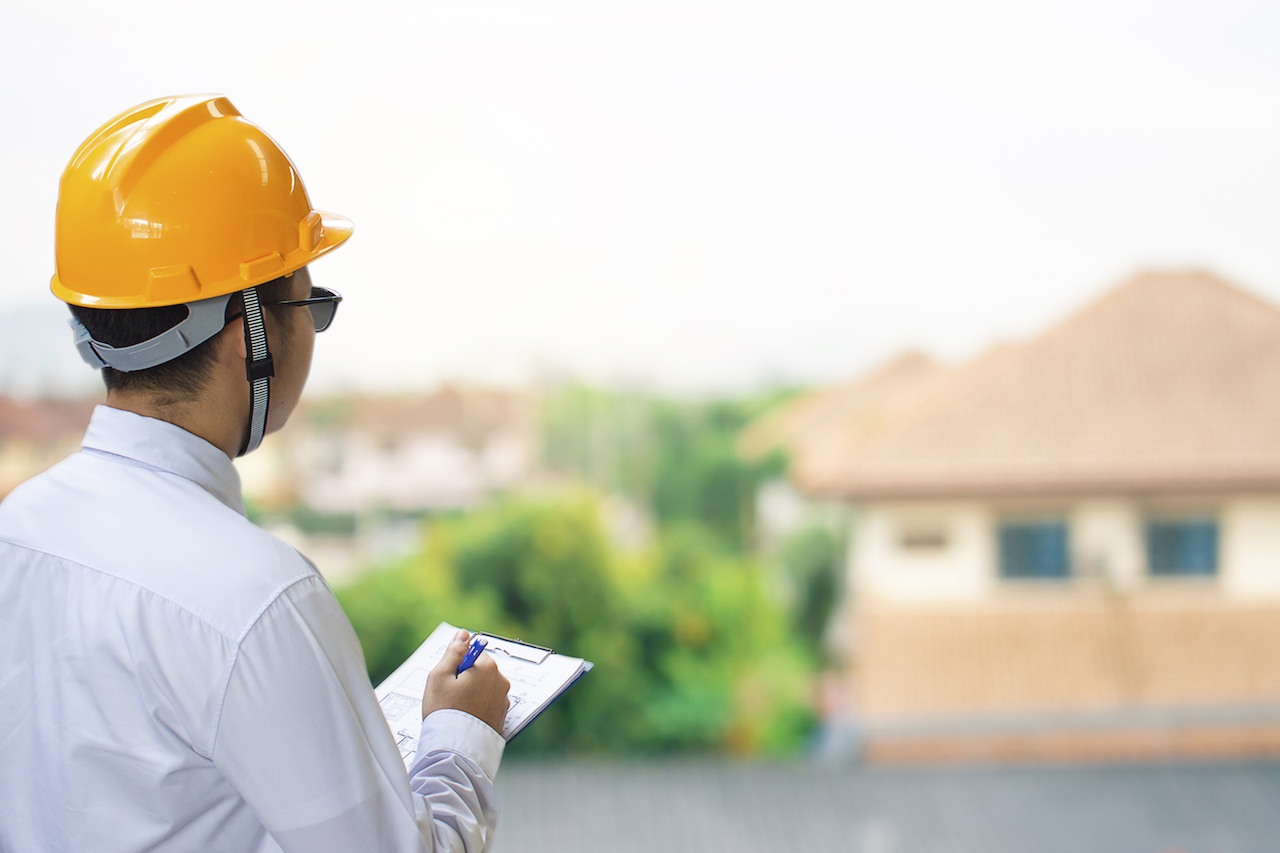
The home inspector is a knowledgeable professional. He or she will take several hours walking through and inspecting the home. The inspection will include the physical structure, such as the roof, walls, ceilings, floors, windows, and doors. It will also include mechanical and electrical systems. The inspector will confirm that major appliances are working, inspect the plumbing, and look at everything from the attic to the basement. For buyers, choosing a home is often an emotional process. The inspector will offer an informed, objective opinion of the house.
Even though home inspectors are good at spotting potential trouble, they cannot see what is not visible. Hidden problems such as asbestos, mold, or pests may not be noticed or reported. If you are aware of such problems, or the house is severely neglected, you may need a specialized evaluation.
In general, the inspector may not determine whether the house meets local building codes.
The inspector will not advise you on whether the house is a good deal for the price. The purpose of the inspection is to reveal problems with the home. It provides valuable information to help you make a clear-headed decision.
A comprehensive home inspection report should contain summaries, checklists, summaries, notes, and photographs. It assesses the present condition and sometimes estimates the useful life of the roof and major systems, as well as recommended repairs or replacements.
Start by asking for recommendations from trusted professionals or fellow homeowners. When talking with homeowners, ask if any unreported problems surfaced after the inspection. When you are considering an inspector, check out his or her training and experience. If you are considering purchasing something such as a historic home, you want an inspector who has experience with historic structures. In some areas, home inspectors must be licensed, but they are not federally regulated.
You can also check with professional associations, such as the American Society of Home Inspectors and the International Association of Certified Home Inspectors.
You do not have to be there, but it is a good idea. If you are present for the inspection, you have an opportunity to observe the inspector and ask questions about the condition and future maintenance of the home. Don't worry, you will not be required to climb up into the attic or under the house, but you might learn a great deal about the home, both good and bad.
You should expect that every inspection will reveal problems, whether major or minor. In some cases, the seller may be willing to make repairs, or even supply a home warranty contract. If there are less serious problems, consider whether it is something you are willing to live with, or plan to correct at some point in the future. If the report indicates that the house is in good condition, you may question whether you needed the inspection in the first place. Remember that no matter what the condition of the house, you will learn a great deal from the inspection report about existing problems and preventative measures that can help you avoid future problems.
For more information, contact us. We are here for you.