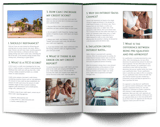
There are a lot of terms that are thrown around in the real estate world that the average person might not be familiar with. For example, the terms "pre-qualified" and "pre-approved" are two that you’ve probably seen before but may not know exactly what they mean (or the difference between the two). It’s important to understand not only the differences and what they mean, but how they can help you get your home mortgage.
The term "pre-qualified" means that your lender has come to the conclusion that you will likely be approved for a loan of a particular amount. They come to this conclusion based on an assessment of your current finances and any information you’ve given.
The way you become pre-qualified is just by giving your lender information about how much debt you have, what assets you have, and what your annual income is. This is definitely not a guarantee of being approved, it's just an estimate. That isn't to say it's not helpful though.
There are no fees involved with getting pre-qualified, and it has no effect on your credit score. It simply gives you a sense of what you can afford to pay for a mortgage. This is a good thing to pursue if you've never bought a home before.
Those who seek this designation successfully get a letter showing that they've been approved for a specific loan amount ahead of time. There are no fees involved with this either, but there is a lot of paperwork.
It also means that you can close on your purchase faster, as well as giving you a sense of what you'll be able to afford. Pre-approval definitely doesn't mean that you're automatically accepted for the loan, but it is a bit more of a guarantee and is a big step toward locking down the loan you need. But, you will still have to apply and go through the whole process.
One big difference is that when you try to get pre-approved, you need to show the lender some paperwork. When you're just getting pre-qualified, you don't usually have to prove anything as much, you're just telling your lender and they are giving you an estimate based on the information you provided.
Pre-approval requires you to give your lender proof like pay stubs, a credit report, pay statements, and other forms of proof of your income level.
If you’re in the exploratory phase of home shopping, the recommendation is to go ahead and seek out a pre-qualification if you have time to take it slow and be cautious since it won't affect your credit score and potentially, your mortgage in a negative way.
However, if you are certain what house you want to some degree and are ready to take the process forward, then going after that pre-approval is your next step.
If you have any questions or are ready to speak with a member of our team about a home mortgage, feel free to contact us today.